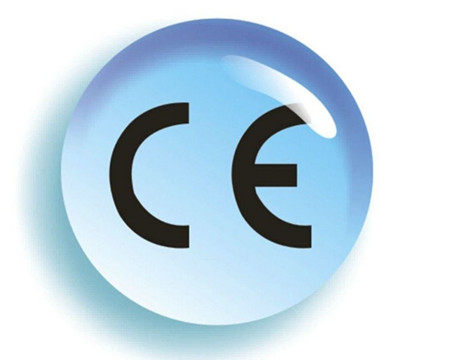
In the wave of globalized trade, all kinds of products that want to enter the EU market must cross strict compliance certification thresholds. Cylindrical batteries, as key components in the new energy field, CE certification is a necessary condition for their legal circulation in the EU market. CE certification is not a simple single test, but a comprehensive and mandatory requirement of the European Union for product safety, health and environmental protection in multiple aspects. When a product is marked with the CE mark, it means it complies with relevant EU directives and can be freely sold in the 27 EU member states and countries in the European Economic Area.
The CE certification for cylindrical batteries covers multiple EU directives. The Low Voltage Directive (LVD) focuses on electrical equipment with input voltages ranging from 50 to 1000V AC or 75 to 1500V DC, ensuring that cylindrical batteries meet electrical safety performance standards and preventing dangerous situations such as electric shock and short circuits. The Electromagnetic Compatibility Directive (EMC) focuses on regulating the electromagnetic radiation and anti-interference performance of products, requiring cylindrical batteries to neither interfere with the normal operation of surrounding electronic devices nor to have the ability to resist external electromagnetic interference themselves. For rechargeable cylindrical batteries, the Battery Directive (2006/66/EC) must also be followed. This directive provides clear and detailed regulations on the heavy metal content, recycling labels, and environmental protection requirements of batteries, aiming to reduce environmental pollution caused by battery waste.
The certification process is rigorous and standardized, typically covering key steps such as product testing, preparation of technical documents, and issuance of a declaration of conformity. Enterprises should first select a third-party testing institution recognized by the European Union to conduct comprehensive tests on the voltage, current, temperature tolerance, short-circuit protection and other performance aspects of cylindrical batteries in accordance with relevant standards. For instance, the charging and discharging conditions of the battery under different temperature environments will be simulated to test its stability. Conduct a short-circuit test to verify whether the battery's protection mechanism is effective. After the test is passed, the enterprise needs to carefully organize a series of technical documents, including product design drawings, detailed test reports, safety usage instructions, etc., and properly file them for the regulatory authorities to review at any time. Finally, the enterprise issues a declaration of conformity on its own, solemnly declaring that the product fully complies with the requirements of all applicable directives. Only then can the core process of CE certification be considered completed.
It is worth noting that although CE certification is self-declared by enterprises for product compliance, the EU market regulatory authorities will conduct random spot checks from time to time. Once it is found that the products do not meet the certification standards, enterprises will face serious consequences such as product recalls, heavy fines, and even being banned from selling in the EU market. Therefore, enterprises must strictly ensure that the certification process is genuine and compliant, and must not merely go through the motions to obtain certification.
For cylindrical battery manufacturers, CE certification is not only the "key" to enter the EU market, but also a powerful opportunity to promote enterprises to improve product quality and enhance international competitiveness. By strictly adhering to certification standards, enterprises continuously enhance their awareness of safety and environmental protection in every aspect of product design and production, thereby laying a solid foundation for the stable development of the global new energy industry.